


Debate”none” viewBox=”0 0 24 24″>
Thanks for an engaging post. Maria Hofvendahl Svensson and Frida Lindström are absolutely right that food is preparedness and that 72 percent of Swedes do not trust today’s food production.
This is a submission in Kristianstadsbladet.Opinions expressed are the writer’s own.
Open image in full screen mode Photo: JANERIK HENRIKSSON / TT
Advertisement
Reply to Maria Hofvendahl Svensson and Frida Lindström (LRF Skåne and LRF Ungdomen Skåne), Kristianstadsbladet/Norra Skåne
But when LRF lists what the policy should store it says “spannmål, utsäde och foder” like three equal legs. That’s where the problem begins.
Forage is food that has passed through a cow or a pig and lost most of its nutritional value along the way. Over 80 percent of Sweden’s legume harvest goes to animal feed instead of directly to humans. The Swedish protein feed is also largely imported soy from South America. When trade flows are closed in a crisis, livestock production collapses first. The animals are not a reserve stock. They are vulnerability itself.
Advertisement
Advertisement
Legumes and grains, on the other hand, are stored for years without a cold chain. Meat requires uninterrupted electricity and spoils within days. During Sweden’s rationing years from 1940 to 1951, meat, eggs and dairy were among the most severely rationed goods, while cereals and pulses carried the supply. That experience is clear, but convenient to forget.
Nor is Swedish animal husbandry a rational economy. 77 percent of the EU’s agricultural support goes to animals, which account for 81 to 86 percent of food production’s greenhouse gas emissions. Swedish beef causes 56 times more greenhouse gases per kilogram than beans according to the RISE climate database. It’s not a market. It is politically rigged prices that make it cheap to waste.
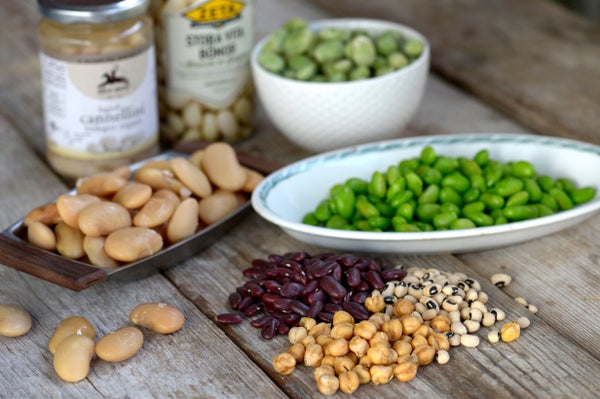
Skåne is the heart of cereals and pulses in Sweden. Scanian fields can saturate the whole country with beans, peas and field beans, if we let them. Public procurement in Kristianstad and Region Skåne can turn the school canteen and hospital kitchen into the real preparedness engine: beans daily, as the Swedish Food Agency’s new dietary advice already requires. Preparedness is beans and grains on the table. Every day.
Linda Lindström and Jonas Norberg
Sustainable Food System
The animals are not a reserve stock. They are vulnerability itself.
Leave a Reply